Reaping and Sowing
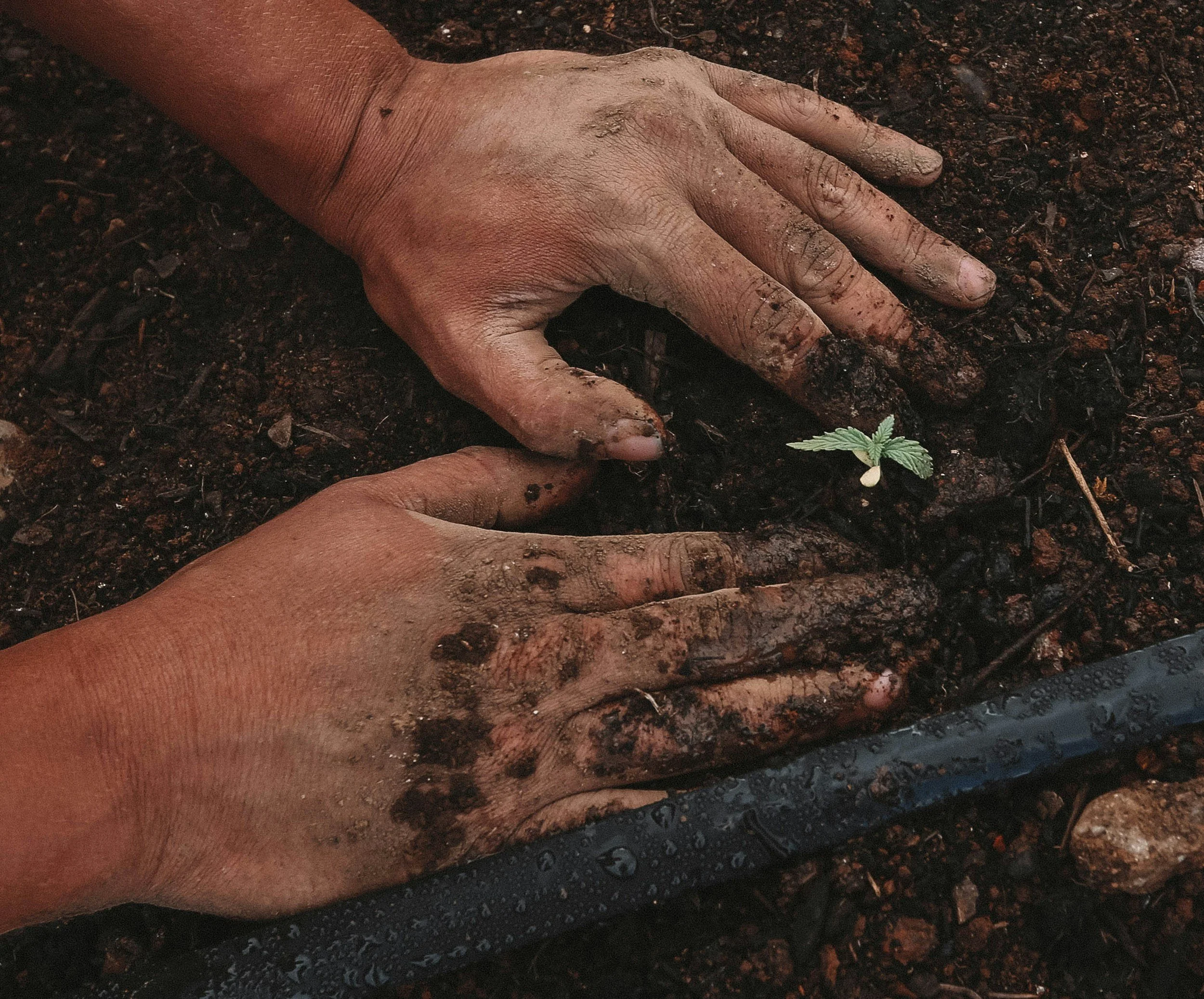
“The Scriptures teach that freedom in Christ always leads to a choice: whether to sow to the flesh or to sow to the Spirit.”
Sermon Summary
Drawing from Galatians 6 and the prophet Hosea, the Scriptures reveal a consistent spiritual principle—whatever is sown will be reaped, and the harvest is always a magnified version of the seed. To sow to the flesh is to reap corruption; to sow to the Spirit is to reap eternal life. This truth is not limited to the Old Testament but stands firmly within the New Covenant, addressing how believers are called to live with the freedom Christ has given.
The Scriptures expose Israel’s failure in Hosea as a warning: God’s people transgressed the covenant, rebelled against God’s kingship, trusted their own way, and used God’s blessings to create idols that led to their destruction. They sowed the wind and reaped the whirlwind. Yet the Scriptures also proclaim hope—calling God’s people to sow righteousness, break up fallow ground, seek the Lord, and reap steadfast love as righteousness rains down.
The Scriptures teach that believers often struggle because they assume grace exempts them from this principle, believe small sins produce manageable consequences, or fail to examine the seeds they are sowing. Sin is never manageable; it always leads to corruption. At the same time, righteousness does not grow automatically. Fallow ground left unattended will always produce weeds.
The Scriptures therefore call God’s people to intentional sowing: examining the heart, confessing sin, memorizing Scripture, praying together, practicing discipleship, and actively pursuing kingdom work. In every season, the question remains the same—what seeds are being planted, and what harvest is being prepared?
Sermon Text: Hosea 8.1-10
Date: January 11, 2026
Preacher: Todd Pylant
Watch & Listen