Praying Without Listening
Psalm 87
“If we pray without listening, we pray out of context.” (Eugene Peterson)
Psalm 87 has alluded me for years, and I would be deceiving myself if I think I have pinned it down even now. This song of Korah is short and sweet, only 7 verses. At first read, it is a song celebrating God’s love for Zion, Jerusalem, and the Temple. The Lord loves the gates of Zion (2), the city He founded (1). Glorious things are spoken of the city of God (3). But as we keep reading and praying, this is not really the focus.
The song shifts in verse four to speak of those who are born in the city of Zion. The issue of one born in Zion is stated three times in verses 4-6: this one is born there (4), this one and that one were born there (5), this one is born there (6). And the initial read is that God loves the city of Zion and those of His people who were born in that city, but that initial reading is wrong. Verse 4 makes that clear.
“Among those who know me, says the Lord” (4). We are expecting the Lord to list the descendants of Abraham or Jacob, but that is not where the song takes us. Instead, the Lord names the nations that surround Israel including Egypt, Babylon, and Philistia. These names stand out to the reader of Biblical history because they were enemies of God’s people at various times. The other two nations are less known, Cush and Tyre, but they were also in conflict with the people of God at times. In other words, out of the enemies of God’s people come those whom the Lord knows, and He gives them birthright status.
The Lord records His people, even from among the nations, and says of them, “this one was born” in Zion.
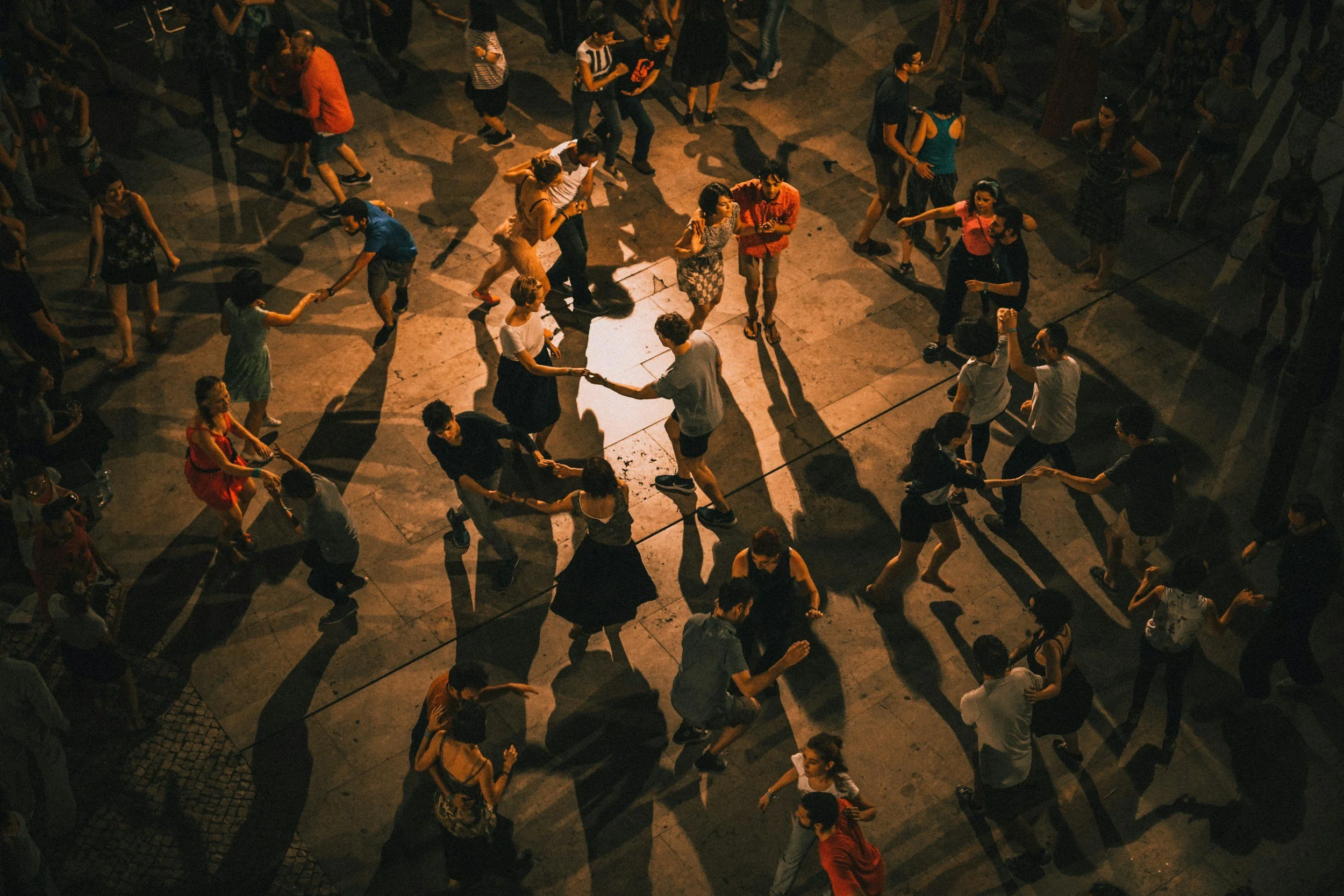
The song ends with a curious verse about singers and dancers. Who is singing and dancing? Are the people the Lord knows in Egypt dancing because they have been recorded as citizens of Zion? Are the descendants of Abraham singing because even among the enemy nations of Israel come those who know the Lord? Or, is this a call to me to sing and to dance because the Lord has registered me and given me birth status, registering me as being born in Zion?
One of the things that scholars have struggled with about the book of Psalms is how the collection of songs are put together. There are obvious signs of editorial work. For example, there are five conclusion statements at the end of the five books. I’ve read several works that basically say that there are obvious signs that the songs are arranged with intentionality even though we will probably never know what it is.
Peterson claims that the text of prayer, the organization of the collection, is shaped like it is to form healthy lives of prayer, to protect us from the “common error of presumptuous prayer” (52). “Presumptuous prayer speaks to God without first listening to Him….If we pray without listening, we pray out of context” (53).
It seems obvious that the five books of the Psalms might correspond to the five books of the Torah, but if we are looking for verse by verse correspondence between Psalms and the Torah, we will be greatly disappointed. Instead, the Psalms invite us into a “listening and answering” context. Moses sets out the word of God that calls us, and David gives us our answering call. In prayer, “we do not merely speak our feelings, we speak our answers” (54).
What does any of that have to do with Psalm 87?
The first few times I read, even prayed through this song, I was presumptuous. Praying without listening, praying without context. With the help of some commentaries, I began to hear the song in the full context of salvation history. Through Abraham, all the nations of the earth will be blessed. Around the throne will be people from every nation. The context, the word, the voice of God is His divine eternal plan: to know people from every nation and to give them Zion birth citizenship.
Instead of praying without listening, I began to answer. Praise the Lord that He knows me in Christ and has given to me Zion birth citizenship. Praise the Lord that He knows people from all the nations of the earth and has given to them Zion birth citizenship. I can’t wait to sing and dance in Zion. In the meantime, my answer is also to join Him in His divine eternal plan, to make Him known in the nations around the world.
And I cannot miss this: from my enemies will come those whom the Lord knows and gives Zion birth citizenship. What will I answer then? Will I be like the older brother (see Luke 15) or will I dance and sing?
I need to learn to dance.
Quotes are from Eugene Peterson, Answering God: The Psalms as Tools for Prayer.